Americans Can’t Afford Eggs, Somehow Still Buying Stanley Cups

Jules Cringeley
Mockitor of Trying Too Hard
Lifestyle & Trends Contributor





Americans scrutinize grocery prices while enthusiastically collecting trendy tumblers that somehow never make it into the monthly budget.
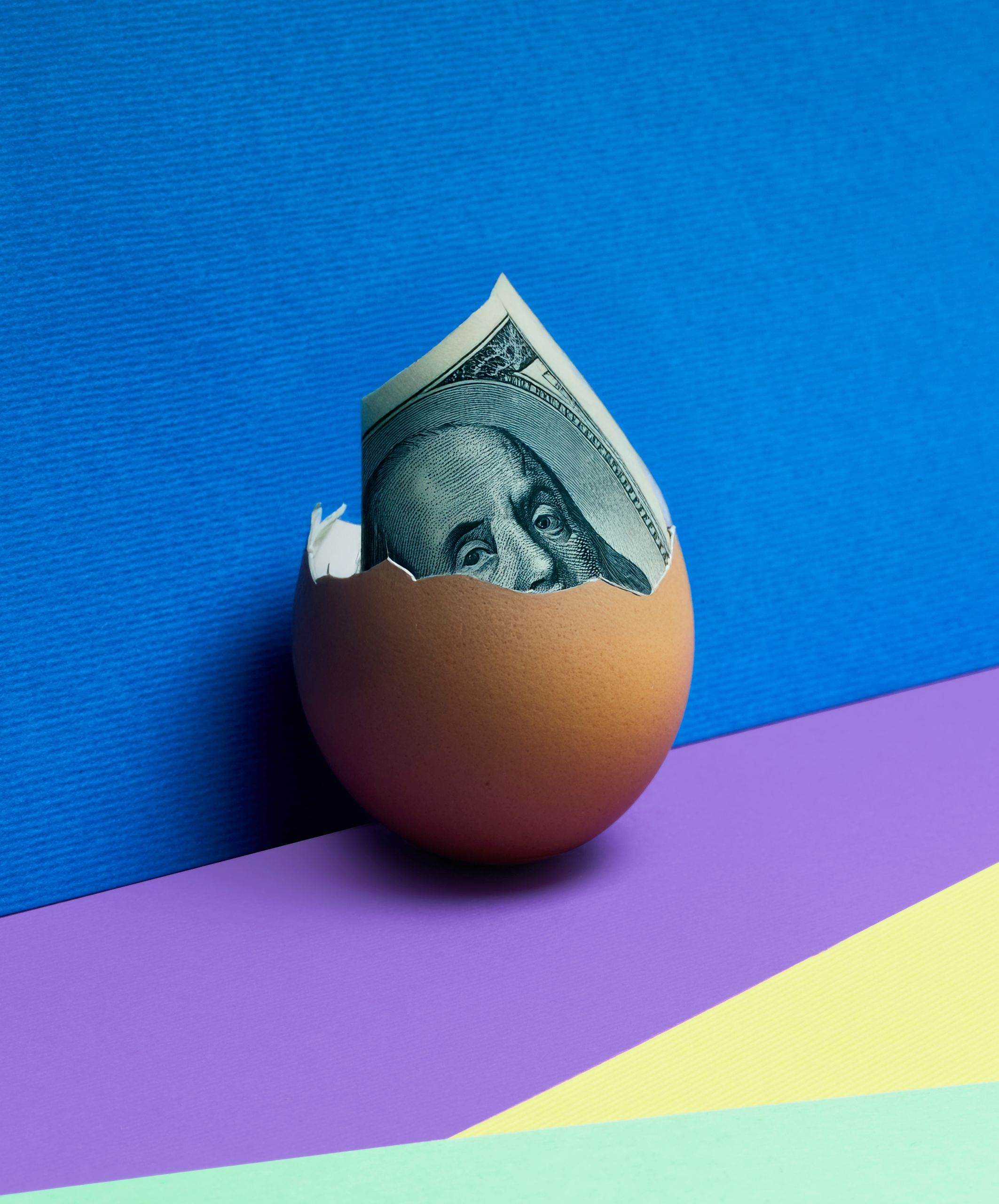
For the third straight year, Americans have declared that the economy is unbearable, groceries are unaffordable, and eggs have become a luxury item. Moments later, many were spotted waiting in line for the latest limited-edition Stanley tumbler, proving that financial hardship has a surprisingly flexible definition.
Consumer spending experts say the modern budget now operates under two separate systems. The first is reserved for necessities, where shoppers spend fifteen minutes comparing egg prices between stores to save $1.27. The second is for trendy items, where a $55 insulated cup somehow qualifies as “an investment.”
“It’s about priorities,” explained one shopper while carrying three designer tumblers in colors called Alpine Mist, Sunset Coral, and Whatever Was Trending on TikTok Last Week. “Besides, I’ll use this every day.”
The shopper later admitted to using the same coffee mug every morning because it was already in the dishwasher.
Retailers have embraced the phenomenon. Limited releases, exclusive colors, and social media hype have transformed insulated drinkware into collectible status symbols. Economists are still trying to understand why a nation debating grocery prices can collectively decide that owning six nearly identical cups is completely reasonable.
Financial advisors report hearing a growing number of clients say they cannot afford to save for retirement, immediately followed by a discussion about whether they should buy the newest seasonal tumbler before it sells out.
The contradiction has spread beyond drinkware. Consumers routinely postpone replacing worn tires, delay routine medical appointments, and complain about utility bills while simultaneously convincing themselves that another “must-have” purchase is somehow exempt from the household budget.
Behavioral psychologists describe the trend as emotional spending. Regular people describe it as “treating yourself.”
Social media has only accelerated the cycle. Influencers showcase carefully arranged shelves filled with matching cups, encouraging viewers to believe hydration is less about drinking water and more about color coordination.
Despite growing concerns about inflation, Americans remain optimistic that financial stability is just one budget spreadsheet away. Until then, they will continue calculating whether they can afford breakfast while sipping coffee from a tumbler that costs more than a week’s worth of eggs.